SpaceX Beats Revenue in First Post-IPO Earnings Report
– 3 min read
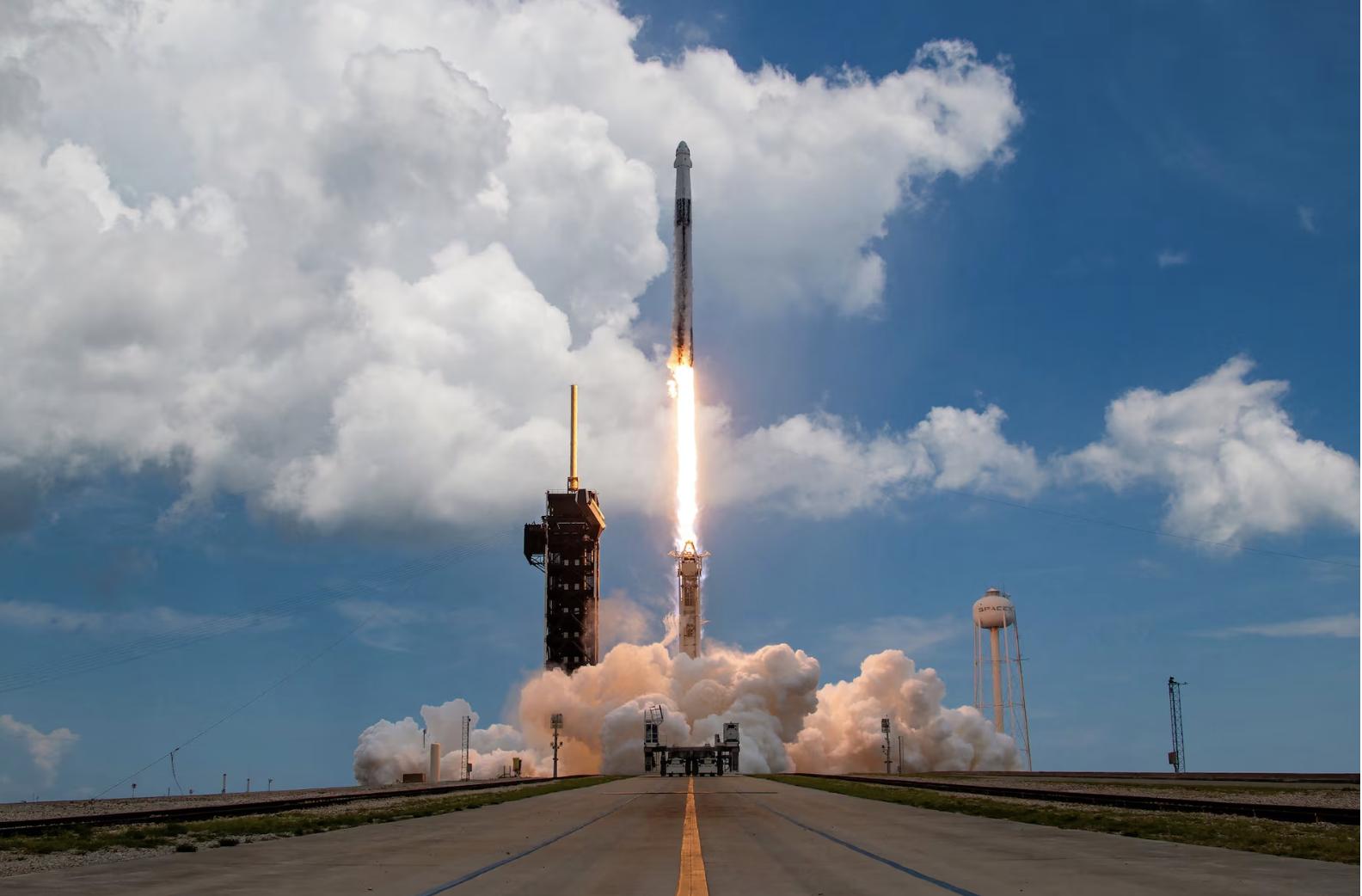
Revenue surged 92% year over year to $7.81 billion, significantly exceeding expectations. Losses narrowed, and growth extended across all three business divisions: space services, connectivity, and artificial intelligence. That breadth is strategically important. Companies with multiple growth engines are generally more resilient than businesses dependent on a single source of revenue, allowing them to diversify risk while creating multiple avenues for future expansion. This quarter provided evidence that SpaceX is translating long-term ambition into a business with growing cash-flow potential.
Invest in top private AI companies before IPO, via a Swiss platform:
 SmartProfit Finder AG
Connectivity generated $4.29 billion in revenue, up 66%, by providing satellite internet to remote communities, maritime customers, airlines, and developing regions where traditional broadband infrastructure remains difficult or uneconomic to build. AI contributed $2.56 billion, increasing 247%, as products and subscription services continued gaining commercial traction. Space services generated $962 million, up 29%, and remain the foundation of the broader ecosystem. The company launches its own satellites, expands its global network without relying on third parties, and supports future AI infrastructure through its launch capabilities. This level of vertical integration reduces operational dependence while strengthening competitive advantages that may become increasingly difficult for rivals to replicate over time.
Management has outlined ambitious long-term objectives, including $1 trillion in annual revenue by 2030, human moon landings by 2028, and continued expansion of global satellite internet. These goals encourage investors to think beyond today's addressable markets and consider the scale of future opportunities. Ambitious targets naturally attract attention, but investors ultimately judge whether current financial performance and operational progress provide credible support for those long-term projections. Strong revenue growth gives those ambitions a firmer financial foundation.
Despite strong operating results, the shares continue trading below their IPO price. Much of that hesitation reflects investor concerns about whether the AI industry is investing in infrastructure faster than future demand can justify. Plans to build up to 10 gigawatts of computing capacity by 2027 represent a significant capital commitment, and investors will closely monitor whether those investments generate attractive long-term returns. Even companies delivering strong operational performance can experience volatile share prices when expectations for future growth remain exceptionally high.
The company holds approximately $100 billion in cash alongside a $47.5 billion order backlog. A strong balance sheet provides the financial flexibility to continue investing aggressively without relying heavily on external financing, while the backlog demonstrates that customer demand is supported by signed contracts rather than expectations alone. The next challenge is execution. Manufacturing satellites, expanding connectivity, increasing launch capacity, and scaling AI infrastructure must all progress simultaneously. Long-term shareholder value will depend less on ambitious targets than on SpaceX's ability to convert backlog into revenue, maintain disciplined capital allocation, and efficiently scale all three businesses over the years ahead.