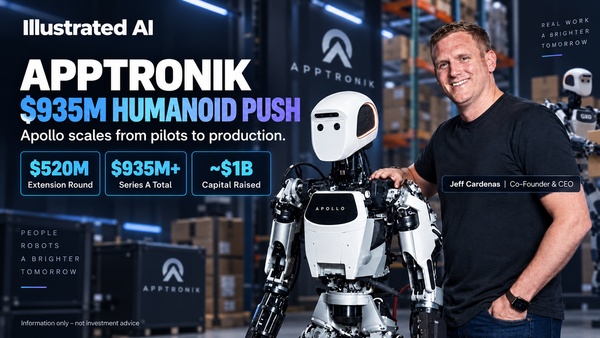
Apptronik Expands Robot Park to Train Apollo Humanoid Robots
– 4 min read
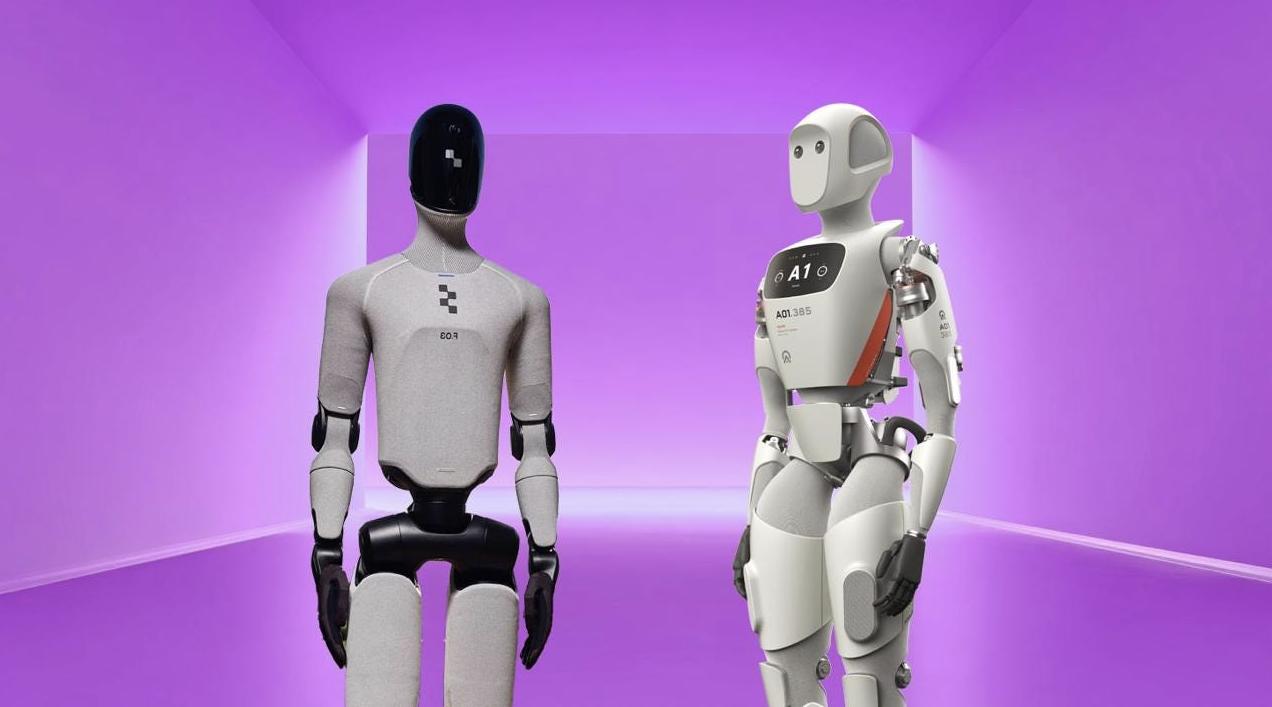
Robot Park is a large-scale training facility designed to improve the performance of Apollo humanoid robots through continuous real-world operation. Instead of relying primarily on laboratory testing, Apptronik exposes robots to commercial environments across logistics, manufacturing, and retail, allowing software to improve through operational experience.
Invest in top private AI companies before IPO, via a Swiss platform:
 SmartProfit Finder AG
Real workplaces are inherently variable. Lighting changes, packages differ in size and shape, and people move unpredictably through shared spaces. Robot Park is designed to capture this diversity by collecting operational data across facilities in Austin and partner locations. Broader exposure enables AI models to generalize more effectively, improving robot performance across a wider range of commercial environments.
The process follows a continuous improvement cycle. Robots perform tasks, operational data is collected, AI models are refined, and software updates are deployed back to the fleet. Each commercial deployment contributes to future performance improvements, creating a repeatable development process that becomes increasingly valuable as the installed base expands.
Operational data is becoming one of the most valuable assets in commercial robotics. Unlike traditional industrial robots operating in highly structured environments, humanoid robots must navigate workplaces designed for people while handling changing objects, layouts, and working conditions. Building those capabilities requires large volumes of real-world data rather than simulated scenarios alone.
Physical interaction introduces variables such as object weight, balance, surface friction, and positioning that are difficult to reproduce perfectly in simulation. Teleoperation allows human operators to demonstrate correct behavior, creating high-quality training examples, while simulation accelerates development by exposing robots to a much wider range of scenarios before physical deployment. Together, these approaches improve model quality while reducing development time.
The result is a scalable learning system. As commercial deployments increase, additional operational data improves AI models, supports faster software development, and strengthens product performance. Over time, this creates an advantage that becomes increasingly difficult for competitors to replicate as deployment scale grows.
Apollo 2 addresses an important commercial challenge: industrial environments vary significantly across customers. The platform is available in both bipedal and wheeled configurations, allowing the same underlying technology to support different operational requirements without requiring an entirely new robot design.
The wheeled version integrates efficiently into facilities operating under established industrial safety standards, while the bipedal version is designed for workplaces built around human movement, where stairs, narrow passages, and vertical access remain important. This flexibility allows the platform to address current industrial requirements while supporting more advanced future deployments as customer needs evolve.
Each configuration contributes different operational data to the same AI platform. Combining those experiences improves the underlying software while expanding the range of commercial applications the platform can support.
The partnership with Google DeepMind combines Apptronik's robotics platform with DeepMind's expertise in foundation AI models. Operational data collected by Apollo robots contributes to improving models capable of supporting a broader range of robotic tasks without requiring extensive task-specific programming for every deployment.
Commercial operations generate some of the industry's most valuable training data because they capture real interactions between robots, people, and dynamic industrial environments. As these data improve foundation models, updated software can be deployed across future robot fleets, increasing capability while reducing deployment complexity for customers.
Strategically, the partnership supports a model in which commercial deployments continuously improve future generations of robots. Rather than remaining fixed after delivery, the platform can become more capable as additional operational experience is collected across an expanding customer base.
Apollo 2 provides the operational experience that will shape future commercial generations, including Apollo 3. Data collected through current deployments can improve reliability, shorten deployment times, and reduce implementation complexity before newer platforms reach larger-scale commercialization.
The long-term objective is to deliver robots that arrive with increasingly mature capabilities, reducing the amount of customer-specific training required after installation. Better initial performance can accelerate adoption, expand commercial deployments, and generate additional operational data that supports further software improvements.
The business opportunity extends beyond hardware sales. As the installed base grows, every deployment contributes new operational data that strengthens future AI models and improves product performance across the platform. That continuous feedback cycle has the potential to become one of Apptronik's most important long-term competitive advantages as humanoid robotics moves toward broader commercial adoption.
 Apptronik