SpaceX IPO Surge Pushes Valuation Past Tech Giants
– 5 min read
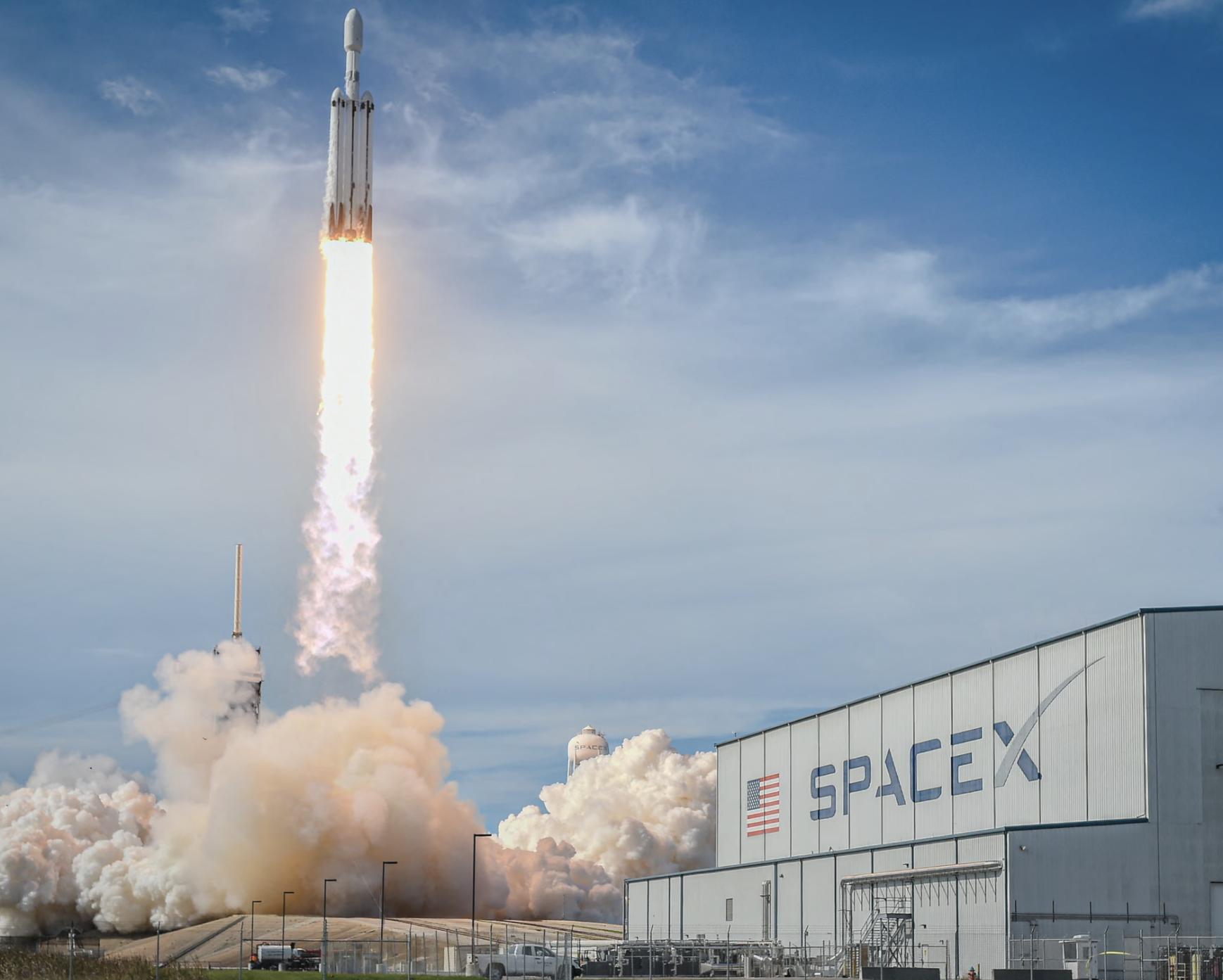
SpaceX has rapidly become one of the world's most valuable publicly traded companies. Within days of its public debut, the company's market capitalization surpassed Amazon and briefly approached Microsoft's valuation, placing it among the largest businesses in global equity markets. Such a move is unusual for a newly listed company and reflects exceptionally strong investor demand following the IPO.
Invest in top private AI companies before IPO, via a Swiss platform:
 SmartProfit Finder AG
Valuation matters because it influences access to capital, investor attention, strategic flexibility, and competitive positioning. Large-cap companies typically attract greater institutional ownership, broader analyst coverage, and stronger talent recruitment opportunities. In SpaceX's case, investors appear to be evaluating not only the company's current operations but also its potential across multiple markets, including launch services, satellite communications, artificial intelligence, and defense infrastructure.
At the same time, valuation alone does not guarantee future performance. Public markets often assign premium valuations to companies operating in large and rapidly expanding industries. The challenge for investors is determining whether future growth can support the expectations embedded in the current share price.
SpaceX's positioning is relatively unique. Few companies combine reusable launch systems, a global satellite internet network, government contracts, and emerging AI-related initiatives within a single corporate structure. This combination helps explain the level of investor interest following the company's public listing.
Strong post-IPO performance is often driven by a combination of business fundamentals and market mechanics. In SpaceX's case, both factors appear to be contributing to recent price movements.
Newly listed companies frequently have a limited number of shares available for trading because founders, executives, and early investors remain subject to lock-up agreements. When demand exceeds available supply, prices can rise rapidly as investors compete for a relatively small pool of tradable shares.
Media coverage can reinforce this process. Strong share-price performance often attracts additional attention from institutional investors, retail traders, and market commentators. Increased visibility can lead to further buying activity, particularly when investors believe a company operates within a long-term growth sector.
However, these dynamics can also work in reverse. If investor sentiment weakens or additional shares become available after lock-up periods expire, volatility can increase significantly. As a result, short-term price movements may not always reflect underlying business performance.
While momentum can amplify gains, it should not be viewed as a substitute for financial results. Ultimately, long-term shareholder value depends on revenue growth, profitability, cash generation, and successful execution of business strategy.
The introduction of options trading has added another factor influencing SpaceX's share price. Options provide investors with leveraged exposure to a stock and can increase overall trading activity, particularly during periods of heightened market interest.
When investors purchase large volumes of call options, market makers often hedge their exposure by buying shares of the underlying stock. This process can create additional buying pressure and contribute to upward price momentum, especially when a company's public float remains relatively limited.
Options activity can also influence investor sentiment. High call-option volumes are frequently interpreted as a sign of bullish expectations, attracting additional market participants. As a result, options markets can become an important driver of short-term trading dynamics.
Nevertheless, options trading does not change the underlying economics of the business. While derivatives activity can affect market pricing in the near term, long-term valuation ultimately depends on the company's ability to grow revenue, expand margins, and strengthen its competitive position.
For investors, distinguishing between short-term market mechanics and long-term business fundamentals remains critical when evaluating newly listed companies.
The central question surrounding SpaceX is whether future growth can justify its current valuation. The company generated substantial revenue through launch services, Starlink subscriptions, and government contracts, but investors continue to focus primarily on its long-term expansion opportunities rather than current financial metrics alone.
Supporters of the valuation argue that SpaceX operates across several large and growing markets. Starlink continues to expand globally, commercial launch demand remains strong, and government spending on space and communications infrastructure is increasing. These factors could support significant revenue growth over time.
Skeptics point out that elevated valuations require exceptional execution. When a company reaches a market capitalization comparable to some of the world's largest corporations, investors effectively assume years of sustained growth, operational expansion, and market leadership. Any slowdown in adoption, revenue growth, or profitability could lead to increased pressure on the share price.
History provides examples supporting both perspectives. Some technology leaders initially appeared expensive before growing into their valuations, while others failed to meet expectations despite strong early enthusiasm.
Ultimately, the debate centers on whether SpaceX can translate technological leadership and market position into durable financial performance that supports its current valuation over the long term.
Another important factor is the potential inclusion of SpaceX in major stock-market indexes such as the Nasdaq 100 and other widely followed benchmarks. Index inclusion can generate significant demand because passive investment funds are required to purchase shares of benchmark constituents.
This process creates a source of buying activity that is largely independent of investor opinion. Index funds and exchange-traded funds acquire shares based on benchmark rules rather than valuation assessments or market forecasts.
Investors often anticipate these flows and purchase shares ahead of official index additions. This can contribute to higher trading volumes and upward price pressure before inclusion occurs.
Once a company enters major indexes, it gains access to a broader investor base and benefits from increased liquidity. For newly public companies, inclusion is often viewed as a sign of market maturity and institutional acceptance.
While passive demand can support share prices, it does not eliminate valuation risk. Long-term performance will continue to depend on business fundamentals, competitive advantages, and the company's ability to execute its strategy effectively. For SpaceX, index inclusion may provide an additional source of demand, but future value creation will ultimately be determined by operational and financial results rather than market mechanics alone.