Mistral’s Open-Weight AI Push in Europe
– 4 min read
Mistral is preparing to release its largest open-weight AI model, giving selected partners across research, government, and industry early access in July. The announcement reflects a broader shift in enterprise AI, where control over models is becoming almost as important as model capability itself. Rather than simply introducing another large language model, Mistral is challenging the way organizations deploy and manage artificial intelligence.
Invest in top private AI companies before IPO, via a Swiss platform:
 SmartProfit Finder AG
Unlike closed AI systems that require customers to access models through external APIs, open-weight models allow organizations to download, inspect, customize, and operate the model on their own infrastructure. For enterprises planning long-term AI strategies, that distinction is increasingly significant. Choosing an AI platform is becoming a long-term infrastructure decision, and switching providers later can be costly. Mistral's strategy arrives at a moment when many organizations are deciding whether to remain dependent on proprietary ecosystems or invest in greater operational control.
Open-weight models transform AI from a service into an infrastructure asset. Organizations can deploy models inside their own environments, fine-tune them for specialized tasks, and keep sensitive data under their direct control. For highly regulated industries—including finance, healthcare, and government—this level of flexibility simplifies compliance while reducing dependence on external providers.
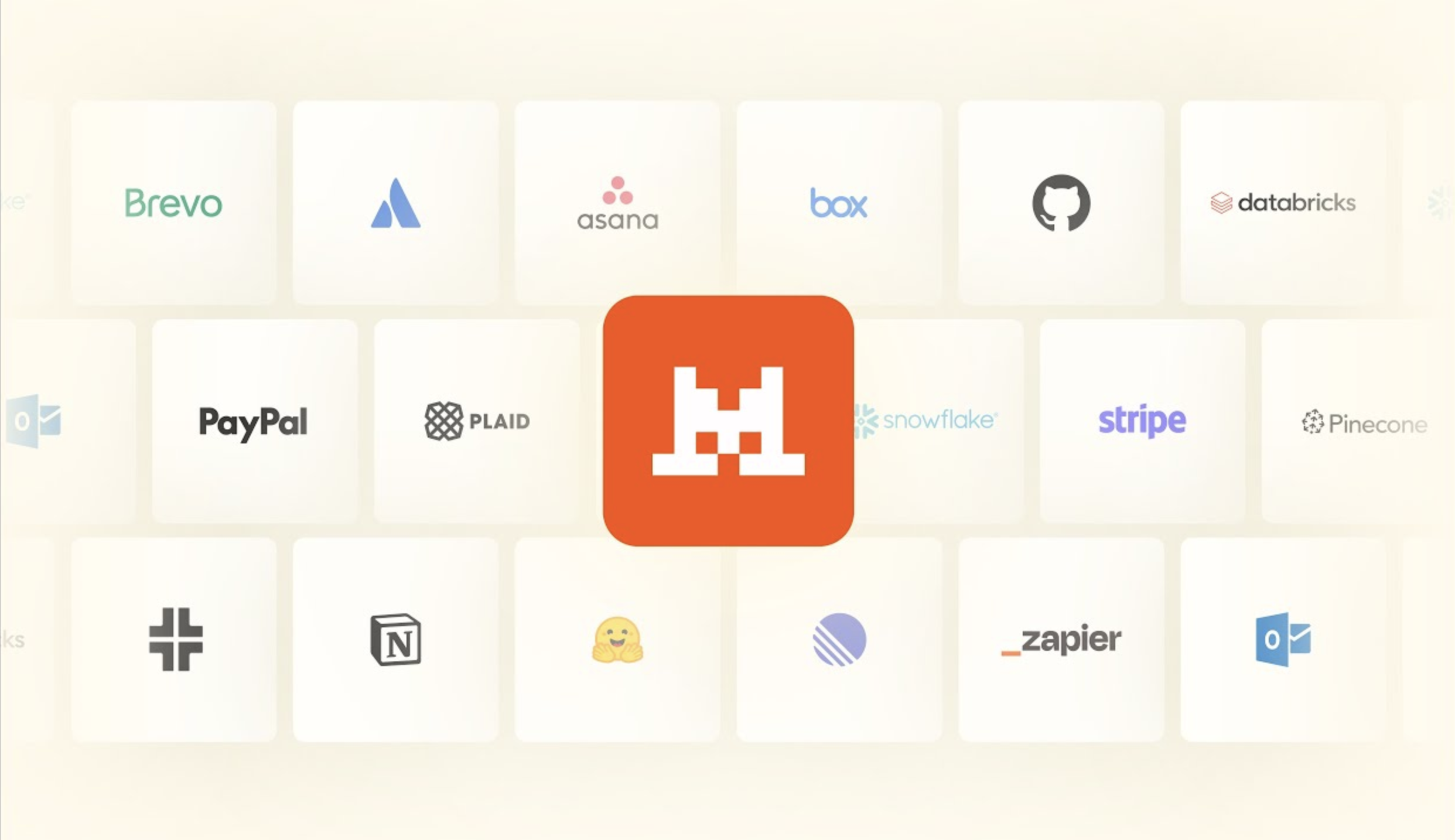
The business implications extend beyond individual customers. Open-weight AI broadens the ecosystem by creating opportunities for cloud providers, enterprise integrators, hardware vendors, and managed infrastructure specialists. Even when proprietary models remain highly competitive, the availability of strong open alternatives encourages greater competition in pricing, deployment flexibility, and commercial terms. As enterprise AI adoption accelerates, control itself is becoming a competitive advantage.
Mistral's architecture relies on a Mixture-of-Experts (MoE) design, where multiple specialized neural networks collaborate rather than one enormous model performing every task. A routing mechanism activates only the experts needed for each request, allowing the system to deliver high capability while reducing the amount of computation required during inference.
This efficiency comes with practical trade-offs. Although only a small portion of the model performs calculations at any given time, every expert must remain available in memory. As a result, organizations still need powerful GPU infrastructure to deploy very large MoE models effectively. Lower inference costs can improve long-term operating economics, while higher memory requirements continue to drive demand for advanced AI hardware and enterprise infrastructure. In AI, architectural design increasingly shapes business economics as much as engineering performance.
For many European organizations, the central question is no longer simply which AI model performs best. It is whether that model can operate under legal, regulatory, and governance frameworks they fully control. Banks, hospitals, manufacturers, and public institutions increasingly require AI systems that remain within their own infrastructure and comply with evolving European regulations.
Physical server location alone does not guarantee legal independence. A foreign provider may operate European data centers while remaining subject to overseas legal jurisdictions. Open-weight deployment offers a different model, allowing organizations to maintain complete operational control over both data and models. As AI regulation continues to mature across Europe, governance, transparency, and infrastructure ownership are becoming meaningful competitive advantages rather than secondary technical considerations.
Mistral's strategy extends well beyond releasing another AI model. The company is investing heavily in cloud capabilities, data centers, and supporting infrastructure, aiming to control a larger portion of the enterprise AI value chain. Infrastructure ownership strengthens reliability, improves cost management, and creates additional opportunities through enterprise deployment, managed AI services, and sovereign cloud offerings.
Energy strategy also plays an increasingly important role. Investments in hydropower-supported facilities highlight how electricity availability and operating costs are becoming strategic assets for AI providers. For investors, the broader thesis is becoming clearer: Mistral is positioning itself not simply as a model developer, but as a European AI infrastructure company. If successful, combining competitive open-weight models with cloud infrastructure, enterprise deployment, and regulatory alignment could establish a durable position within one of the fastest-growing segments of the global AI economy.
 Jerry Owens