Apptronik’s $520M Bet on Humanoid Robots
– 4 min read
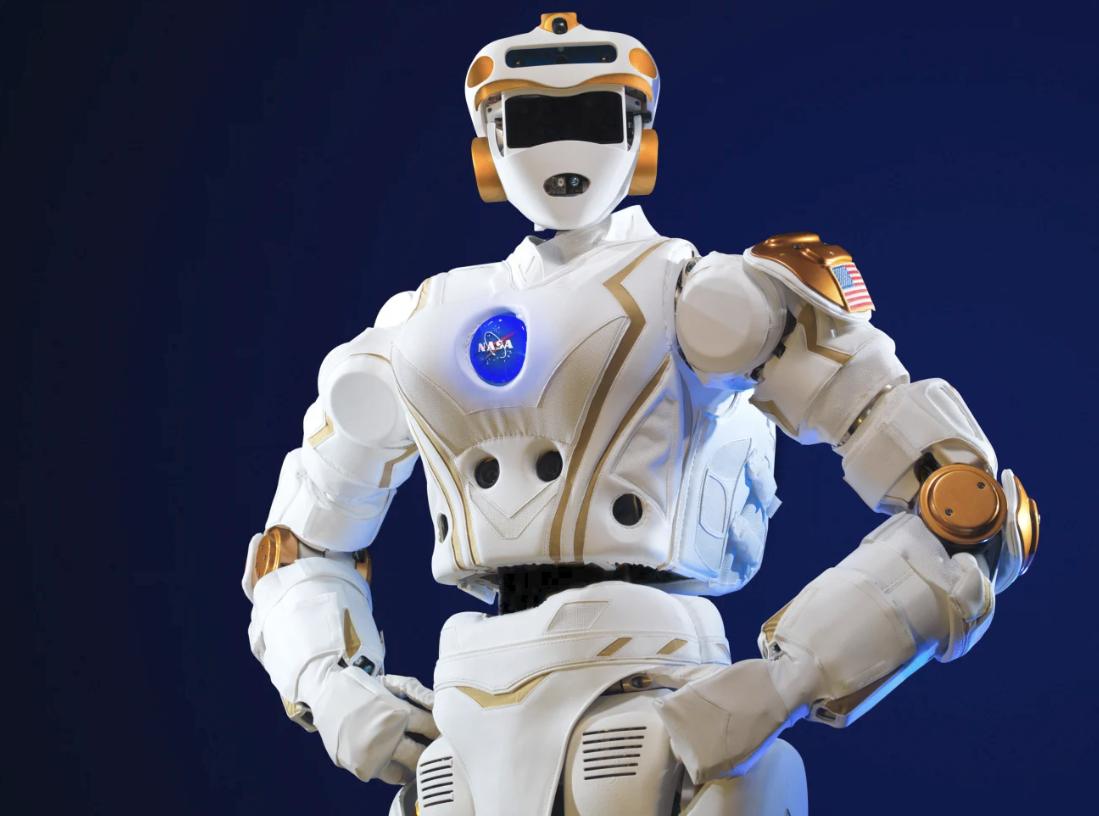
Humanoid robotics is entering a new phase of commercial development. A new generation of robots is being designed not for research laboratories or demonstrations, but for deployment in factories, warehouses, and industrial facilities.
Invest in top private AI companies before IPO, via a Swiss platform:
 SmartProfit Finder AG
Apollo, a humanoid robot developed for industrial environments, reflects a broader shift in automation. Instead of requiring companies to redesign facilities around specialized machinery, humanoid robots are intended to operate in workplaces originally designed for people. Existing shelves, carts, workstations, and walkways can therefore be used without major infrastructure changes.
Unlike traditional industrial robots that perform narrowly defined tasks in highly controlled environments, humanoid robots are designed to operate more flexibly by navigating changing surroundings, handling different objects, and supporting multiple stages of industrial workflows. This capability is becoming increasingly relevant as manufacturers and logistics companies face labor shortages, rising operating costs, and growing pressure to improve productivity.
Recent advances in artificial intelligence, sensors, computing hardware, and battery technology have also improved the commercial viability of humanoid robotics. What was previously considered an experimental technology is increasingly emerging as a practical automation platform for manufacturing, logistics, retail, and other industries.
Large funding rounds in humanoid robotics reflect growing investor confidence in the sector's commercial potential. Rather than simply supporting research, this capital is being used to expand manufacturing capacity, increase production, and accelerate commercialization.
Many advanced technologies face their greatest challenge during the transition from prototype to large-scale production. Building reliable supply chains, improving manufacturing processes, and supporting customer deployments often require significantly more capital than early-stage product development. Large investment rounds help companies navigate this transition.
The commercial opportunity is also attractive. Once robots are deployed in customer environments, operational data can be used to improve software performance, increase reliability, and expand future capabilities through continuous updates. At the same time, additional funding allows companies to recruit engineering talent, strengthen supply chains, and provide long-term support for enterprise customers.
The discussion has therefore shifted beyond whether humanoid robots are technically feasible. Increasingly, the focus is on which companies can manufacture them efficiently, scale production successfully, and establish long-term relationships with industrial customers.
In emerging technologies, the quality of investors can influence market confidence as much as the underlying technology. Industrial customers typically make purchasing decisions cautiously because production interruptions and operational failures can be expensive. Support from experienced institutional investors can therefore provide additional confidence in a company's long-term development.
Strategic investors also recognize that humanoid robotics extends beyond mechanical engineering. Successful deployment depends equally on advances in artificial intelligence, perception systems, software, and data processing. As these technologies continue to mature, robots become better able to interpret their surroundings, adapt to changing conditions, and perform more complex tasks.
More broadly, successful commercialization often depends on several factors progressing simultaneously: technological development, access to capital, customer adoption, and manufacturing execution. Strategic investors can support companies across each of these areas while helping accelerate commercial growth.
Manufacturing and logistics represent some of the most practical early markets for humanoid robots. Success in these environments provides evidence that robots can operate reliably under commercial conditions rather than only in controlled demonstrations.
These industries combine structured workflows with persistent labor shortages, repetitive physical tasks, and increasing operational costs. Humanoid robots do not need to replace entire workforces to create economic value. Even incremental productivity improvements across high-volume operations can generate meaningful financial benefits.
The humanoid form also offers practical advantages because most warehouses and production facilities were originally designed for human workers. Robots capable of using existing infrastructure may reduce the need for expensive facility redesigns while simplifying deployment.
Successful adoption in manufacturing and logistics could also support expansion into sectors such as retail, healthcare logistics, facilities management, and other environments where repetitive physical work remains difficult to automate using conventional industrial robots.
Commercial success depends on far more than technical capability. Humanoid robots must operate safely, reliably, cost-effectively, and consistently across real customer environments where downtime and operational errors carry measurable financial consequences.
Scaling production introduces additional challenges, including manufacturing efficiency, supply chain management, software reliability, maintenance, customer training, and long-term support. These practical considerations ultimately determine whether advanced robotics can become a sustainable business rather than simply an impressive technological achievement.
Companies that begin commercial deployments early also gain valuable operational experience. Performance data collected from customer environments helps improve future software releases, identify operational challenges, and refine products based on real-world usage. This accumulated experience can become an important competitive advantage as the industry matures.
If humanoid robotics continues to develop successfully, companies may increasingly view robots as flexible automation platforms that improve over time through software updates rather than as fixed industrial equipment. The industry is now entering a phase where manufacturing capacity, commercial execution, and customer adoption are becoming just as important as technological innovation. The companies that successfully combine these elements are likely to shape the next stage of industrial automation.