Xi Jinping Champions Strategic, Regulated Growth of AI in China
– 4 min read
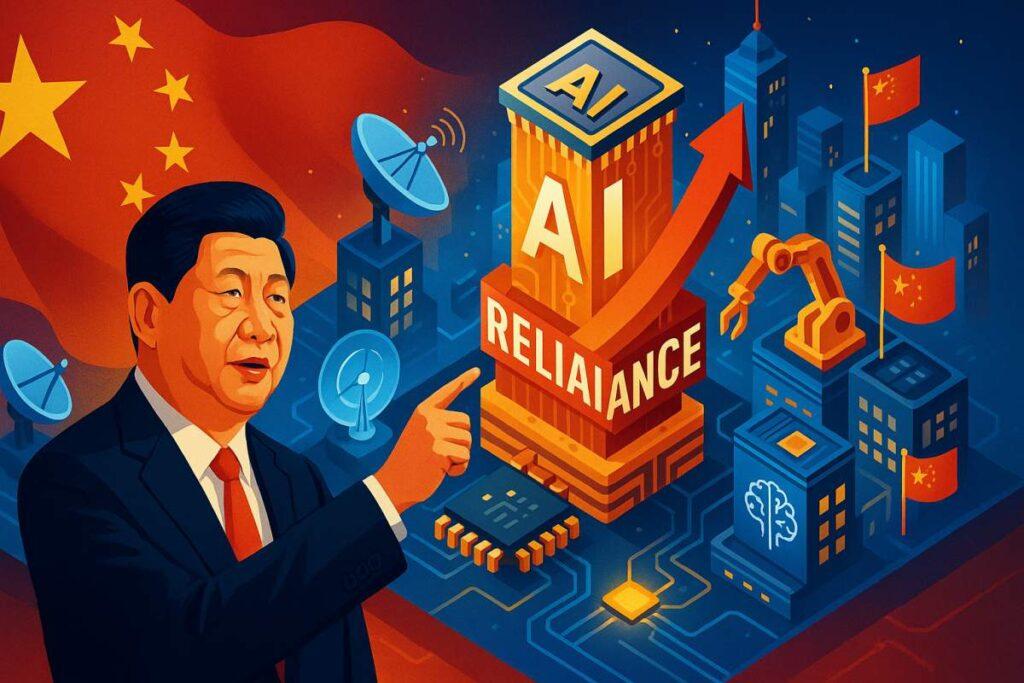
AI Development and Regulation: Xi's Vision for the Future
On April 25, during the 20th group study session of the Political Bureau of the Communist Party of China (CPC) Central Committee, Xi Jinping, general secretary of the CPC Central Committee, emphasized a strategic approach to artificial intelligence (AI). This transformative session revolved around the rapid advancement of AI technologies and China's aspiration to leverage its vast resources to foster a robust AI ecosystem that would reshape industries and daily life across the globe.
Xi's comprehensive speech underscored AI as a game-changer in reshaping industries and daily life. The CPC Central Committee values this emerging technology, pushing for top-tier planning to elevate China's AI prowess on the world stage. However, Xi openly acknowledged existing gaps in basic theories and critical technologies, urging a strategic push to bridge these divides through concentrated efforts and innovative approaches that would transform ambitions into reality.
China possesses abundant data resources, a comprehensive industrial system, and myriad application scenarios, granting it an advantageous position in the global AI landscape. Xi envisions a synergistic innovation ecosystem that melds industries, academia, research institutes, and users to transform traditional sectors and open new frontiers in emerging industries. This holistic approach promises not only to rejuvenate existing paradigms but also to seed entirely new industrial landscapes that will drive future economic growth.
According to the presentation by Professor Zheng Nanning from Xi'an Jiaotong University, this vision is grounded in action and ambition: the creation of a fertile ecosystem where diverse stakeholders collaborate to inject vitality into traditional sectors while paving avenues for emerging and future-oriented industries. Xi emphasized leveraging China's unique strengths to trigger a sweeping transformation across scientific research methodologies, striving for breakthroughs in critical fields like high-end chips and software development.
Acknowledging the new risks accompanying AI's unprecedented opportunities, Xi stressed the comprehensive need for robust regulation and oversight mechanisms. This includes formulating comprehensive laws, setting ethical guidelines, and developing sophisticated systems for technical monitoring and risk management. The approach goes beyond simple compliance, focusing on creating a framework that ensures AI serves as a force for good while mitigating potential unforeseen challenges that pervasive AI deployment could unleash across society.
Xi urged stakeholders to pioneer a foundation of AI tools and methodologies that are independent, integrated, and secure. This involves building robust AI infrastructure capable of seamlessly managing everything from groundbreaking technologies to extensive data resource sharing, while maintaining the highest standards of safety and reliability that the global community demands.
Xi advocated for bolstering AI education across all academic stages, raising public awareness, and nurturing high-caliber talent to ensure AI's sustainable growth and development. The focus is clear: to prepare a new generation equipped with the expertise necessary to thrive in the AI-driven future. This comprehensive approach ensures a continuous flow of high-caliber professionals ready to tackle challenges in this rapidly evolving and dynamic field.
Furthermore, efforts are being channeled towards creating supportive environments that encourage innovative research and development. This involves enhancing mechanisms for research support and career development, thus allowing talent to showcase their capabilities fully while contributing to the broader goals of technological advancement and societal benefit.
Xi's vision extends globally, proposing extensive international cooperation to bridge technological divides and establish standardized governance frameworks that benefit all of humanity. The rapid evolution of artificial intelligence technologies is reshaping the landscape of global cooperation, requiring both robust national strategies and comprehensive international collaboration that transcends traditional boundaries.
The article highlights a call for extensive international cooperation, aligning development strategies, governance rules, and technical standards to bridge the global AI divide. Xi envisaged AI as a gift for humankind, not just a competitive edge, advocating for partnerships to create a unified framework for AI governance worldwide. This initiative seeks to unite global efforts towards a consensus-based framework that ensures AI serves as a global public good, contributing to shared prosperity and progress.
Policies supporting intellectual property rights, fiscal incentives, and infrastructure expansion play vital roles in this comprehensive strategic framework. Xi emphasized that achieving autonomy in vital AI components requires strong policy support and coordinated efforts across multiple sectors and stakeholders.
In an era where AI represents both unprecedented challenges and extraordinary opportunities, this initiative seeks to create a roadmap not only for China but as a strategic vision for global AI excellence. The future of AI is envisioned not merely as a quest for technological supremacy, but as a collaborative journey towards shared prosperity, sustainable development, and the advancement of human civilization through responsible innovation and thoughtful governance.
 陈笛
陈笛