Tesla’s Optimus: From Sci‑Fi Concept to Near‑Term Humanoid Workforce
– 3 min read

Tesla Optimus Robot: Comprehensive Overview
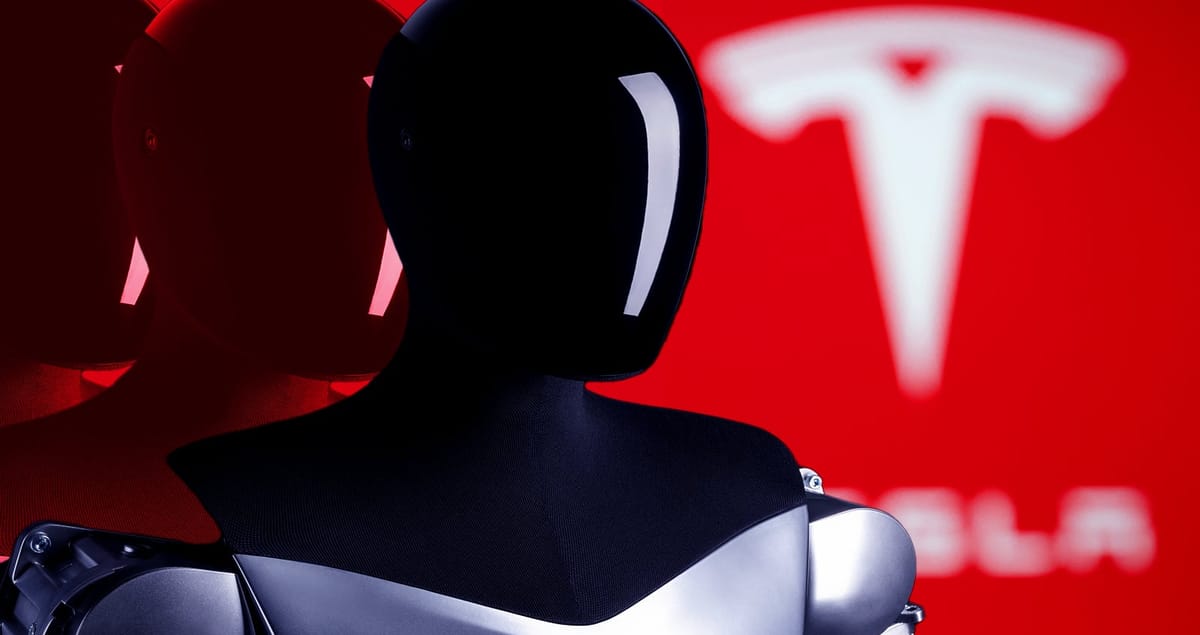
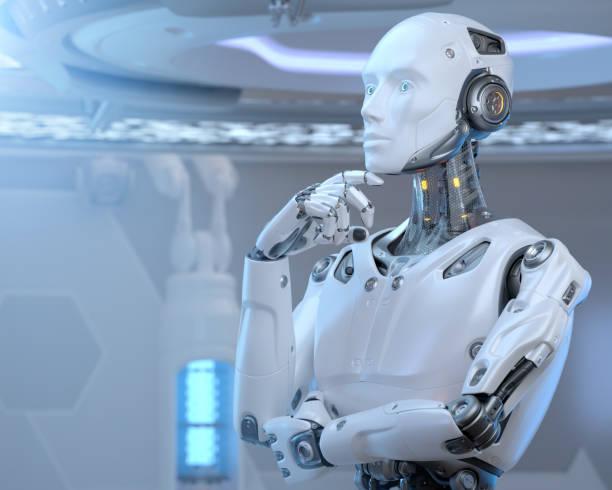
Tesla's Optimus represents far more than a science-fiction prop. This full-body humanoid robot is built to move and behave in ways that feel familiar to humans: walking on two legs, using arms and hands to interact with the world, and relying on an AI brain with sensors rather than bone and muscle. At its core, Optimus is designed to excel at three fundamental tasks: walking, lifting, and sorting objects with precision.
Invest in top private AI companies before IPO, via a Swiss platform:
 SmartProfit Finder AG
Walking means more than simple forward motion; the robot navigates real-world terrain, adjusting to surfaces and obstacles using camera systems and sensors, much like a self-driving car in humanoid form. These capabilities can be chained together effectively - the robot understands its surroundings, decides what needs doing, then carries out multi-step tasks: walking across rooms, identifying items, picking them up, and placing them exactly where they belong.
The humanoid form serves a practical purpose: Optimus is shaped like a person to step into environments already built for humans, walking through doorways, climbing stairs, reaching shelves, and operating tools designed for human hands. Instead of redesigning buildings around robots, Tesla designed a robot that fits existing spaces people use daily.
Artificial intelligence powers this flexibility using many technologies that guide Tesla vehicles: sensor fusion to interpret the world, neural networks to recognize objects and patterns, and software that constantly improves through data. Sensors act as the robot's senses, continuously scanning surroundings and building live digital pictures of the environment, feeding data to AI systems that determine appropriate actions.
In factory settings, Optimus could take on repetitive, physically demanding jobs, slotting directly into existing workflows instead of forcing companies to redesign entire production lines. The robot could load parts, move boxes, tend machines, and work with tools made for people. Because it's humanoid, Optimus wouldn't need specially designed environments, making it suitable for both older factories and new facilities.
For home applications, the same abilities helping it on assembly lines could make it a physical operating system for households. Potential tasks include carrying laundry, stocking shelves, tidying clutter, and serving as a general-purpose helper that interacts with existing home environments rather than requiring special furniture or layouts.
Tesla aims to begin Optimus production as early as 2025, with projected costs under $30,000 per robot - less than many new cars today. These specific targets transform a futuristic concept into something investors and consumers can evaluate practically. The timeline suggests Tesla wants to leverage existing manufacturing capabilities quickly, while the pricing hints at mass-market ambitions rather than niche premium positioning.
Despite bold promises, significant market skepticism remains. Early presentations featuring dancers in bodysuits created impressions of theater over technology. Key questions persist: Can Tesla deliver functional robots by 2025? Will the technology work reliably in real-world conditions? Is there genuine market demand at the proposed price point?
This tension between vision and verification defines Optimus's current position. Tesla promises a future where car-priced robots help in factories and homes, but markets demand hard evidence: real deployments, repeatable tasks, and proof customers will pay at scale. Optimus represents a high-stakes bet on converting spectacular concepts into dependable, profitable products, balancing enormous potential against serious questions about timing, demand, and practical utility.
 Jacob Biba