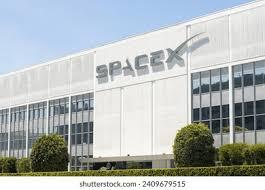
Tesla Rolls xAI Bet Into SpaceX Stake as Musk Aligns His Two Flagships Before IPO
– 3 min read
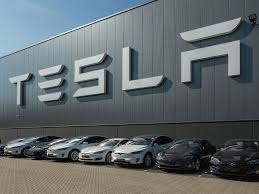
A fascinating financial transformation has emerged within Elon Musk's business empire: Tesla's investment in his artificial intelligence startup, xAI, has been strategically converted into a direct stake in SpaceX as the rocket company approaches a highly anticipated initial public offering. This move represents more than a simple corporate restructuring; it fundamentally reshapes the financial relationships between Musk's flagship enterprises.
Invest in top private AI companies before IPO, via a Swiss platform:
 SmartProfit Finder AG
The mechanics of this transformation are straightforward yet significant. Tesla had originally invested in xAI, Musk's AI venture focused on developing advanced artificial intelligence technologies. Following xAI's merger with SpaceX, Tesla's investment was rolled over into direct SpaceX equity rather than being left in a standalone AI company. This conversion required filing with the US Federal Trade Commission, which officially lists Tesla as acquiring a SpaceX stake directly from Musk himself.
According to FTC filings dated March 11, this transaction crossed the regulatory threshold of approximately $133.9 million, indicating substantial financial value. The same documents reveal Musk simultaneously selling additional SpaceX holdings to heavyweight institutional investors, including Valor Equity Partners and DFJ Growth. These sales signal a broader reshaping of SpaceX's ownership structure, bringing sophisticated institutional capital into the company ahead of its public market debut.
The strategic implications extend beyond mere financial engineering. Tesla, traditionally known for electric vehicles and energy storage solutions, now holds formal exposure to SpaceX's diverse business portfolio, which includes rocket launches, satellite internet through Starlink, and commercial space services. This connection provides Tesla shareholders with indirect exposure to one of the world's most closely watched private companies at a critical moment in its development.
The merger that enabled this transformation effectively dissolved xAI as an independent entity, integrating its AI capabilities directly into SpaceX's operations. This integration suggests a future where artificial intelligence enhances every aspect of space operations, from rocket design optimization to satellite network management and real-time flight path calculations. Rather than maintaining AI development at arm's length, this merger embeds advanced machine learning capabilities into the core of SpaceX's technological infrastructure.
For public market investors awaiting SpaceX's IPO, this development means they will be investing in more than a traditional aerospace company. They will be acquiring shares in an entity that has absorbed cutting-edge AI research and talent, creating a unique combination of advanced software and hardware capabilities. The timing of this integration, occurring just before the anticipated public offering, positions SpaceX as an AI-enhanced aerospace powerhouse rather than simply a launch services provider.
This strategic realignment demonstrates how Musk is drawing his companies into closer financial and operational alignment. Tesla's evolution from pure electric vehicle manufacturer to holding interests in both sustainable energy and commercial spaceflight reflects a broader vision of integrated technological advancement. The conversion of an AI investment into space industry exposure illustrates how emerging technologies can be strategically repositioned within a larger corporate ecosystem.
The institutional investor participation, particularly from firms like Valor Equity Partners and DFJ Growth, provides validation of SpaceX's valuation and growth prospects ahead of its public debut. These sophisticated investors bring not only capital but also strategic networks and expertise that could prove valuable as SpaceX expands its operations and prepares for the scrutiny of public markets.
Government clearance of these transactions through FTC approval provides regulatory legitimacy to the ownership restructuring. This official sanction ensures that the complex web of relationships between Tesla, the former xAI, and SpaceX operates within established legal frameworks while enabling innovative corporate structures that reflect the interconnected nature of modern technology companies.
The transformation ultimately represents a convergence of electric vehicles, artificial intelligence, and space technology under a unified strategic vision, with Tesla shareholders now positioned to benefit from potential upside across multiple high-growth technology sectors through their indirect SpaceX exposure.