Tesla Defies Expectations With Surprise Cash Surge and Big Robotaxi, Humanoid Robot Bet
– 3 min read
Tesla Financial Performance Analysis
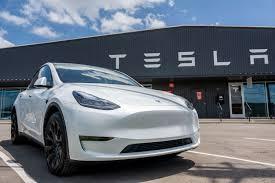
Tesla reported solid financial results in the first quarter, generating $22.4 billion in revenue and exceeding analyst expectations. The automotive division recorded a 16% year-over-year increase, supported in part by higher fuel prices, which contributed to continued demand for electric vehicles. This performance indicates that Tesla maintains a strong market position despite a more challenging economic environment.
Invest in top private AI companies before IPO, via a Swiss platform:
 SmartProfit Finder AG
Net income increased by 17%, showing that the company continues to convert revenue growth into profitability while maintaining a high level of investment across its operations.
Unexpected Cash Generation: $1.4 Billion Free Cash Flow Surprise
The most notable result was $1.4 billion in positive free cash flow, compared with expectations of negative free cash flow. This indicates that Tesla generated cash after covering operating expenses and capital investments during a period of elevated spending.
Free cash flow remains a key indicator of financial health, reflecting funds available for reinvestment or strategic use. The positive result suggests strong operational efficiency and provides additional flexibility to support ongoing projects.
This outcome strengthens Tesla’s ability to fund expansion through internal resources rather than relying on external financing.
Massive Capital Investment Strategy: Building Future Capabilities
Chief Financial Officer Vaibhav Taneja outlined a capital expenditure plan of approximately $25 billion for 2026. This reflects a continued focus on scaling infrastructure and supporting long-term growth initiatives.
Despite current positive cash flow, Tesla expects free cash flow to turn negative later in the year as investment accelerates. This reflects a deliberate strategy to prioritize long-term positioning over short-term financial results.
Investment is concentrated in three areas: artificial intelligence infrastructure, robotaxi production capabilities, and humanoid robot manufacturing.
Strategic Technology Investments: AI, Robotaxis, and Humanoid Robots
Tesla is expanding beyond its core automotive business into artificial intelligence and robotics. The company is investing in computing infrastructure to support autonomous driving systems and broader AI applications.
Robotaxi services are being expanded in selected cities, supported by the development of dedicated Cybercab vehicles. This model introduces the potential for recurring revenue from transportation services.
The Optimus humanoid robot program is another key initiative. Tesla is preparing new production capacity near Giga Texas, with plans for large-scale manufacturing.
Market Performance and Revenue Analysis
Tesla delivered 358,023 vehicles globally during the quarter, representing a 6.3% year-over-year increase. However, this was one of the weaker quarters since 2022, reflecting changing demand dynamics following the expiration of certain incentives.
The energy segment declined by 12% year over year, indicating variability across business units.
Market reaction was mixed. Shares initially rose following the earnings release but later declined as investors evaluated the impact of increased capital spending and future cash flow expectations.
Overall, Tesla continues to generate revenue and cash flow while increasing investment in new technologies. The company’s future performance will depend on the execution of its strategy in autonomous driving, robotaxi services, and robotics.
https://www.wsj.com/business/autos/tesla-earnings-q1-2026-tsla-stock-image-72a9a58e