SpaceX’s Trillion-Dollar IPO Dream and the Hidden Winner in AI Space Infrastructure
– 3 min read
SpaceX is rumored to be preparing for an IPO in 2026 that could value the company at around $1.75 trillion and raise an eye-popping $50 billion in fresh capital. This would not be a bailout for a struggling venture. SpaceX is already highly profitable, reportedly earning about $8 billion in profit on $15 billion to $16 billion in revenue. The new money is intended for bold new projects that sound like science fiction but are being discussed as real possibilities.
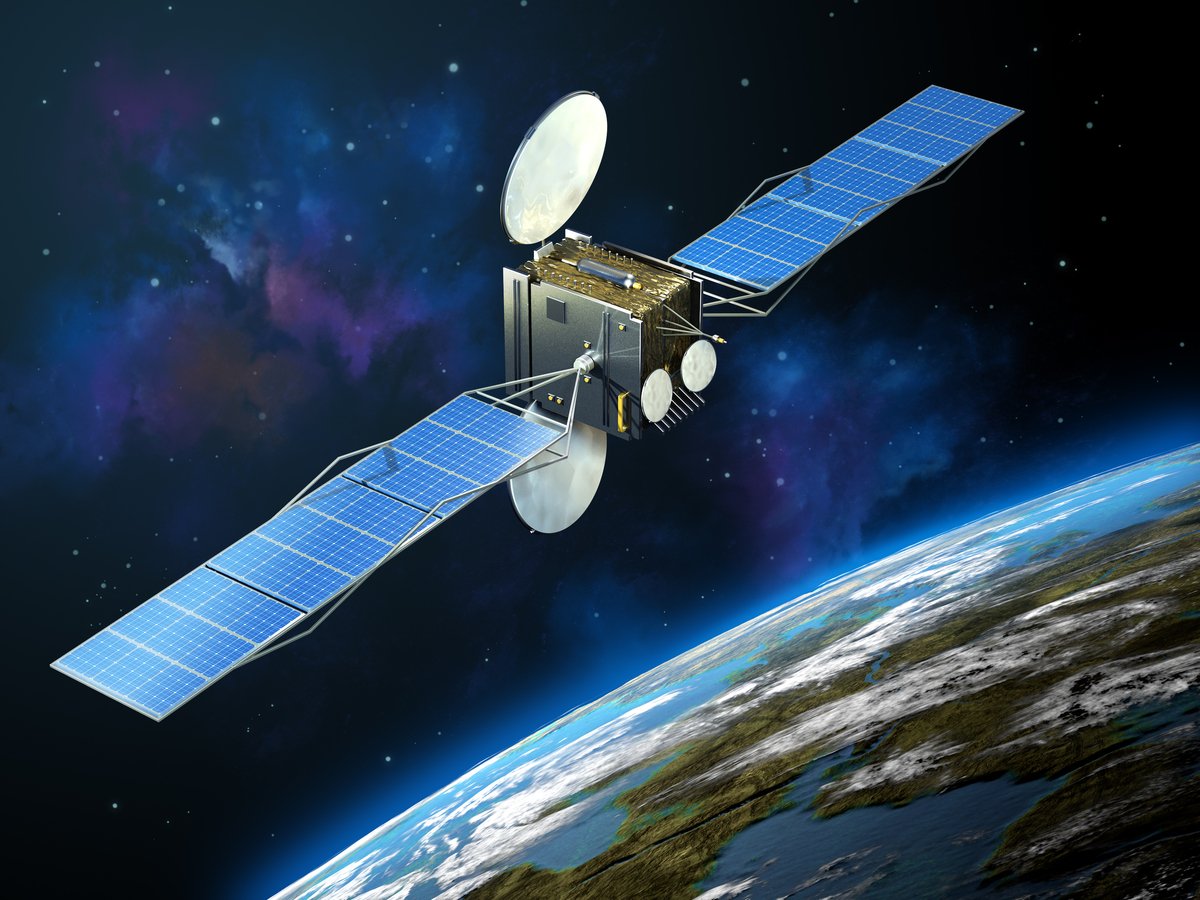
One of the biggest bottlenecks in AI today is the cost and limits of data centers on Earth. Buildings, land, power, and cooling soak up vast amounts of money. For AI-specific data centers, electricity can account for more than 30% of operating costs, mostly to keep hardware from overheating. SpaceX's bold idea is to use its giant Starship rocket to launch modular data centers into orbit.
In space, SpaceX could tap into unlimited solar power, natural cooling through heat radiation, and freedom from terrestrial permitting restrictions. The concept directly targets pain points that every major AI player is facing. However, significant skepticism exists among analysts. To reach SpaceX's target of up to 1 million satellites for space-based AI computing, estimates suggest the company would need around 6,667 Starship launches every year - vastly more than today's total global launch capacity.
Alongside orbital data centers, SpaceX's "Moonbase Alpha" concept plans to establish a human colony on the moon. This is portrayed as a backup plan, following the company's earlier Mars colony ambitions. For now, this is almost entirely speculative from a profit standpoint, framed more as a frontier for research, development, and long-term human survival than a near-term cash generator.
Even if SpaceX's most extreme ideas take years to materialize, its suppliers could benefit much sooner. Nvidia currently holds around 85% market share in the AI chip market. Its specialized GPUs have become the default choice for advanced AI work. Everyone from major tech giants to AI startups is scrambling to secure more chips.
SpaceX has acquired xAI, an AI company, to support its space-compute vision. Whether SpaceX fills orbit with AI data centers or not, its ambitions force a global AI arms race. Big tech companies together could spend more than $600 billion in a single year on advanced chips and data centers. Even if orbital data centers never leave the drawing board, the attempt pulls more capital into AI infrastructure, with a large slice likely spent on Nvidia chips.
The scale required for orbital computing pushes the idea far beyond any realistic near-term timeline. Today's space industry would need to expand by orders of magnitude. The vision demands an entirely new industrial scale of space logistics, far beyond anything operating today. Challenges include radiation hardening of equipment, maintenance in harsh space environments, and data transmission delays.
However, the economic logic is clear. Space offers unlimited solar energy, natural cooling through radiation, and freedom from Earth's physical and regulatory constraints. Starship provides the payload capacity, while Starlink offers the data connectivity between Earth and orbit. Together, they form the technical backbone of this space-based AI infrastructure vision.
The concept tackles real terrestrial constraints around power, cooling, and permitting, but the engineering mountain is enormous. Moving from a few experimental modules to a million-satellite AI cloud in space is long, expensive, and deeply uncertain. Yet even the pursuit of such ambitious goals drives demand for AI hardware and infrastructure.
In summary, a potential $1.75 trillion SpaceX IPO is about reimagining where computing happens, pushing AI infrastructure off the planet, and supercharging demand for companies building core technologies. Even if the most futuristic plans remain on the horizon, the spending wave they unleash could reshape who benefits from the AI revolution today. The "sell shovels in a gold rush" mentality points to Nvidia as a key beneficiary of both SpaceX's ambitions and the broader surge in AI investment.
 Ryan Vanzo