Apptronik’s Humanoid Robot Apollo Propels Startup to $5.5 Billion Valuation
– 3 min read
Apptronik's Apollo: The Future of Humanoid Robotics
Humanoid robotics company Apptronik has raised approximately $520 million in an extended funding round, increasing its valuation to more than $5.5 billion — roughly three times higher than after its initial Series A a year earlier. The sharp rise reflects strong investor confidence that the company’s humanoid platform is progressing toward commercial viability. A valuation increase of this scale within a year is uncommon in the technology sector and signals growing belief that advances in artificial intelligence are accelerating the practical deployment of humanoid systems.
Invest in top private AI companies before IPO, via a Swiss platform:
 SmartProfit Finder AG
Strategic Investor Backing
The round included both existing and new investors. Previous backers such as Google, Mercedes-Benz Group AG, and B Capital increased their stakes, while AT&T Ventures, John Deere & Co., and the Qatar Investment Authority joined the financing. The company had already raised $415 million in February 2025, but continued inbound interest prompted it to extend the round at a significantly higher valuation. The willingness of investors to commit capital at this level suggests expectations that humanoid robotics could move from pilot programs to broader industrial applications in the coming years.
Apollo: The Humanoid Robot Built for Reality
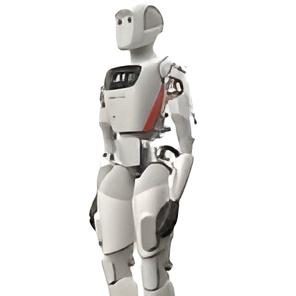
Central to the company’s strategy is Apollo, Apptronik’s flagship humanoid robot. Designed as a general-purpose system rather than a single-task machine, Apollo builds on a decade of development across ten earlier humanoid prototypes. The robot is engineered to operate in environments designed for humans and can function in three primary configurations: walking on legs to navigate stairs and confined spaces, rolling on wheels for efficient transport across flat surfaces, or operating from fixed mounts for stationary precision tasks. This modular approach aims to expand Apollo’s applicability across manufacturing, logistics, and other industrial settings.
Strategic Partnerships Driving Real-World Implementation
Apptronik is advancing commercialization through partnerships with industrial and technology companies. Collaborations with Mercedes-Benz, GXO Logistics, and Jabil involve deploying Apollo in manufacturing and logistics environments to perform repetitive tasks such as material handling and sorting. In parallel, the company is working with Google DeepMind to integrate Gemini Robotics models optimized for robotic applications. These models enable Apollo to interpret natural language instructions, process visual inputs, and adapt to dynamic environments, reducing reliance on rigid, pre-programmed routines and enhancing operational flexibility.
A Staged Market Strategy
The company’s market entry strategy follows a phased approach. Initial deployments focus on structured industrial environments where tasks are predictable and measurable. As reliability and performance improve, Apptronik plans to expand into broader commercial settings such as retail, healthcare, hospitality, and construction. The longer-term objective includes consumer applications, including household assistance and personal care. Achieving this stage will require further advances in safety, autonomy, and human-robot interaction, but the phased strategy reflects a deliberate path from controlled pilot environments toward more complex real-world use cases.
Why This Matters
Investment in humanoid robotics has accelerated globally as advances in AI improve machines’ ability to operate in unstructured environments. Apptronik’s valuation increase reflects investor expectations that humanoid systems could become scalable tools in manufacturing and logistics, and potentially in consumer settings over time. The latest funding provides capital to expand production, deepen partnerships, and refine the technology, positioning the company within a rapidly evolving robotics sector where practical deployment, rather than demonstration alone, will determine long-term success.